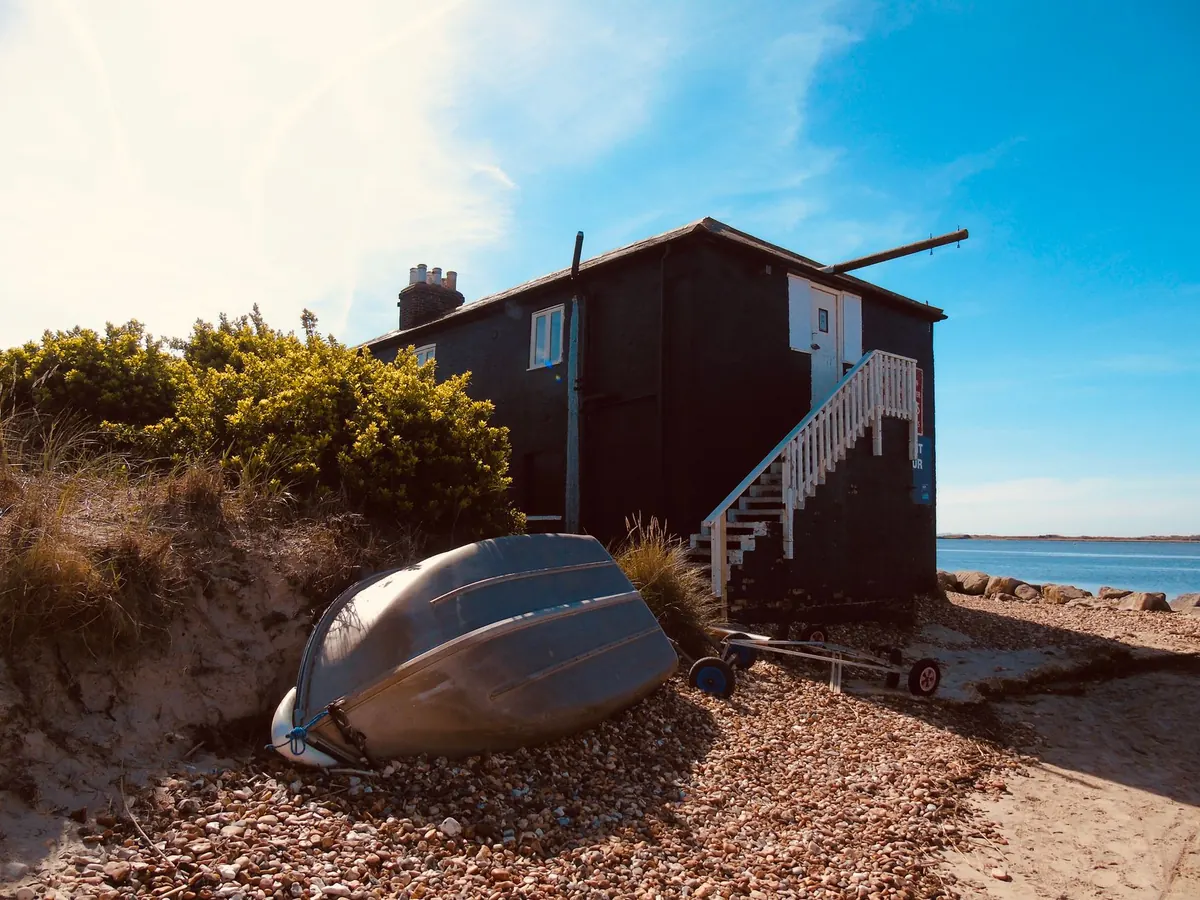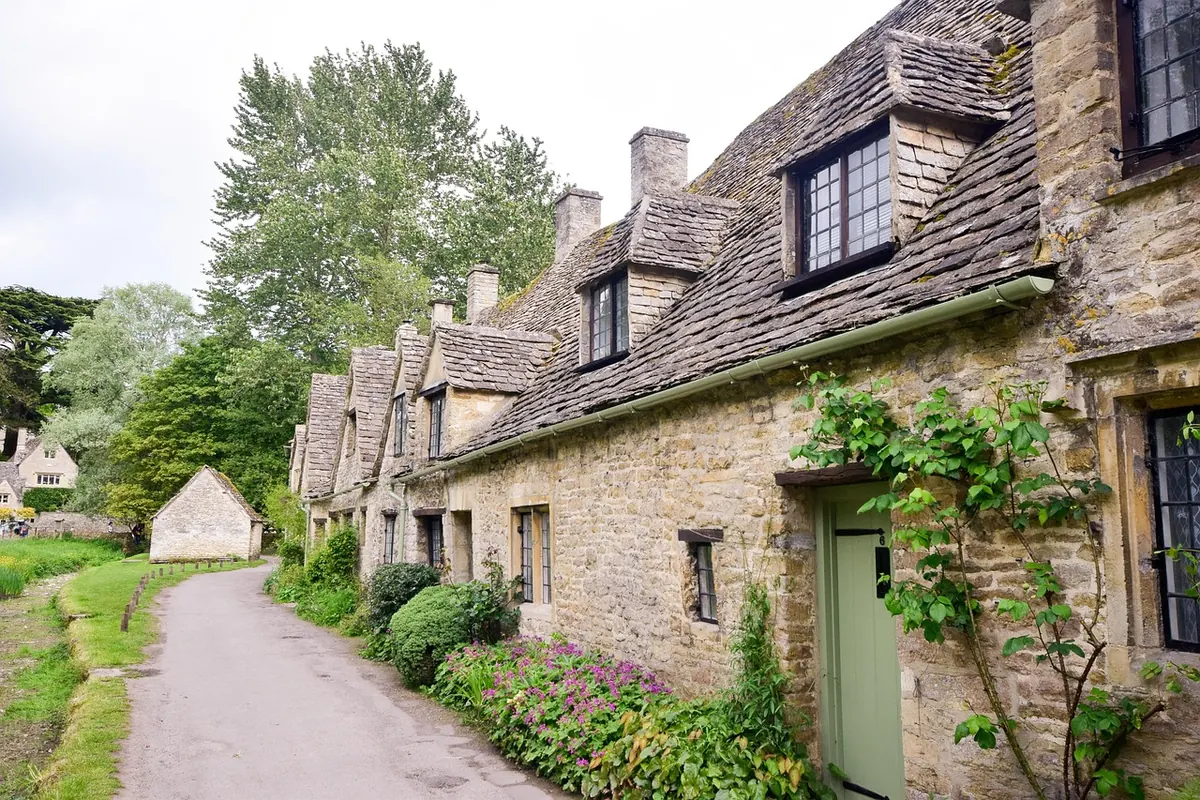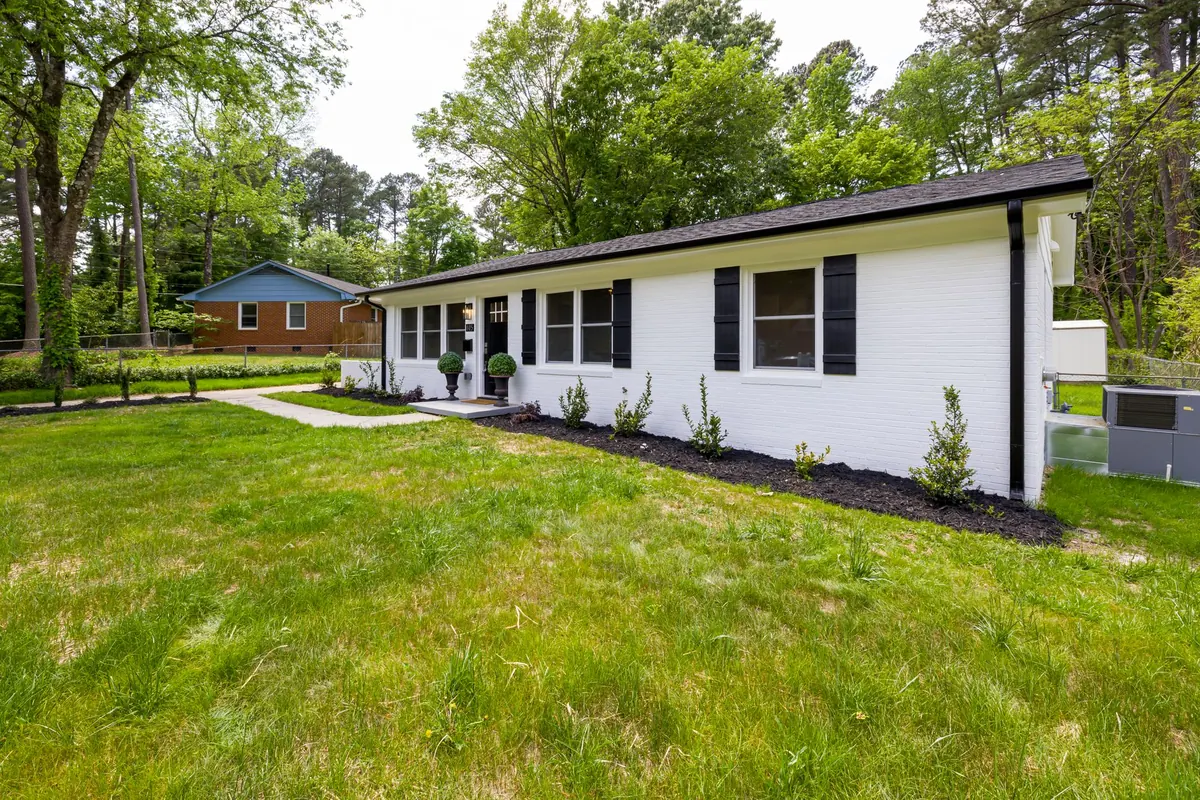
Two Suffolk cottages can stand a mile apart and carry asking prices that differ by tens of thousands. One sits in a village with a shop, a school and a half-hourly bus; the other has a longer run to the A14 and a ditch at the end of the garden. Price is not a fact. It is an opinion that two people have to agree on, and the version printed on the brochure is only the seller's starting position.
Negotiation is not theatre or brinkmanship. It rewards preparation, evidence, and a clear read of which levers actually move the other side. Whether you are buying your first place in Stowmarket or selling a farmhouse near Framlingham, here is how to work the room.
Start with the survey, not the argument
Buyers tend to negotiate on feeling. Sellers respond to documents. Before you talk money, commission a proper survey: a HomeBuyer report as a minimum, and a full building survey for anything old, extended or unusual. Suffolk housing stock hides its age well — timber frames behind brick and render, thatched roofs, cottages with no damp course, Victorian terraces with a rear extension added in the 1980s.
What turns up on a Suffolk survey often includes:
- Thatch: age of the ridge, condition of the coatwork, and what insurers will say
- Historic timber frames with movement, or repairs made with modern materials that trap moisture
- Non-standard construction, which some lenders treat differently
- Septic tanks and private drainage in villages with no mains sewer
- Flood risk and coastal exposure on parts of the east coast, plus the insurance premium that follows
- Oil heating and the absence of mains gas in many rural parishes
Ask the surveyor for rough costs, then get two quotes on the big-ticket items. Now the conversation is about numbers rather than nerves. For anything structural, legal or financial, take independent professional advice before you commit to a figure.
Build a comparables file that stands up
Sold prices beat asking prices every time. Land Registry figures, available through the main portals and your solicitor, tell you what actually completed. Local agents will usually tell you what is under offer and roughly where it landed, especially if you are a serious buyer rather than a browser.
- Go back six to twelve months. Older sales need adjusting for market movement; newer ones may still be unregistered.
- Compare floor area, not just bedroom count. Price per square foot exposes an overpriced layout faster than anything else.
- Adjust for condition. A new roof, a working kitchen and re-wired electrics are worth real money; a tired interior is not automatically a discount.
- Score the things Suffolk buyers pay extra for: parking, a garden that gets the evening sun, decent broadband, a station within reach, and a school catchment that works for you.
- Stay inside the village or, at most, the neighbouring parish. A comparable in Woodbridge says little about a house in Wickham Market.
Buyer tactics: make the offer easy to say yes to
The strongest position is not the biggest number. It is certainty. A seller weighing two similar offers will usually take the one that is ready to move.
Get a mortgage agreed in principle, instruct a solicitor, and have proof of funds for the deposit. When you make an offer, put it in writing, state your position and timeline, and explain briefly where the figure comes from. An opening bid twenty per cent under asking with no reasoning gets filed as unserious. A bid four per cent under, backed by three sold comparables on the same street, gets an answer.
Ask early what the seller's timescale is. A probate sale, a divorce, or a family already committed to a new build all create different pressures, and flexibility can be worth more than cash. Offering to rent the property back for a few weeks, or to wait for a chain to clear, has closed plenty of deals in Suffolk without a penny moving on price.
Set your walk-away number before you view a second time. Emotion inflates budgets more reliably than estate agents do.
Seller tactics: hold your position with evidence
Price it right from day one. Overpricing to leave room for negotiation usually backfires: the first fortnight of interest is the best interest you will get, and a reduction three months later advertises that something is wrong.
When a low offer arrives, do not lose your temper and do not accept it on the spot. Ask two questions. Is the buyer proceedable? Can they actually raise the money? Then decide. If you have had eight viewings and one offer, the market is telling you something. If you have had three viewings, two offers and a genuine second bidder, you can hold firm and say why.
Presentation is part of the price. Kerb appeal, light, decluttering and a garden that looks manageable all shift the number a buyer is willing to put on paper. On timing, spring and early autumn are busier; late August and the fortnight either side of Christmas are quiet, and buyers know it.
When the survey or valuation changes the deal
Most renegotiations happen after a survey or a lender's valuation, and most of them are perfectly legitimate. A down-valuation is not an insult; it is a lender protecting its loan, and it usually means the agreed price has to move or the buyer needs a bigger deposit.
Handle it with paperwork. Send the surveyor's comments, the builder's quotes, and a short, calm summary. Then either ask for a specific reduction, or suggest splitting the difference on the single largest item — a roof, damp treatment, or a rewire. Sellers accept well-evidenced requests far more readily than vague ones, and buyers who ask for everything at once usually get nothing.
The short version
Buyers: know your comparables, hold a mortgage decision in principle, lead with evidence, and treat flexibility as currency. Sellers: price honestly, keep your reasons ready, and judge every offer on certainty as well as cash. On both sides, put the important things in writing, keep the estate agent working for you rather than against you, and be willing to walk away from a number that does not add up. The best deal in Suffolk is rarely the one that was won by shouting. It is the one that completed on the date everyone expected.
Photo: Ralphs_Fotos / Pixabay